Property investment remains one of New Zealand’s most popular wealth-building strategies, but many first-time investors underestimate the ongoing costs of owning rental property. Beyond the initial deposit and mortgage payments, rental properties carry numerous expenses that can significantly impact returns if not properly planned for.
Understanding these costs upfront helps investors make informed decisions and maintain realistic profit expectations. From property management fees to unexpected repairs, the expenses can quickly accumulate and turn what seemed like a profitable investment into a financial burden.
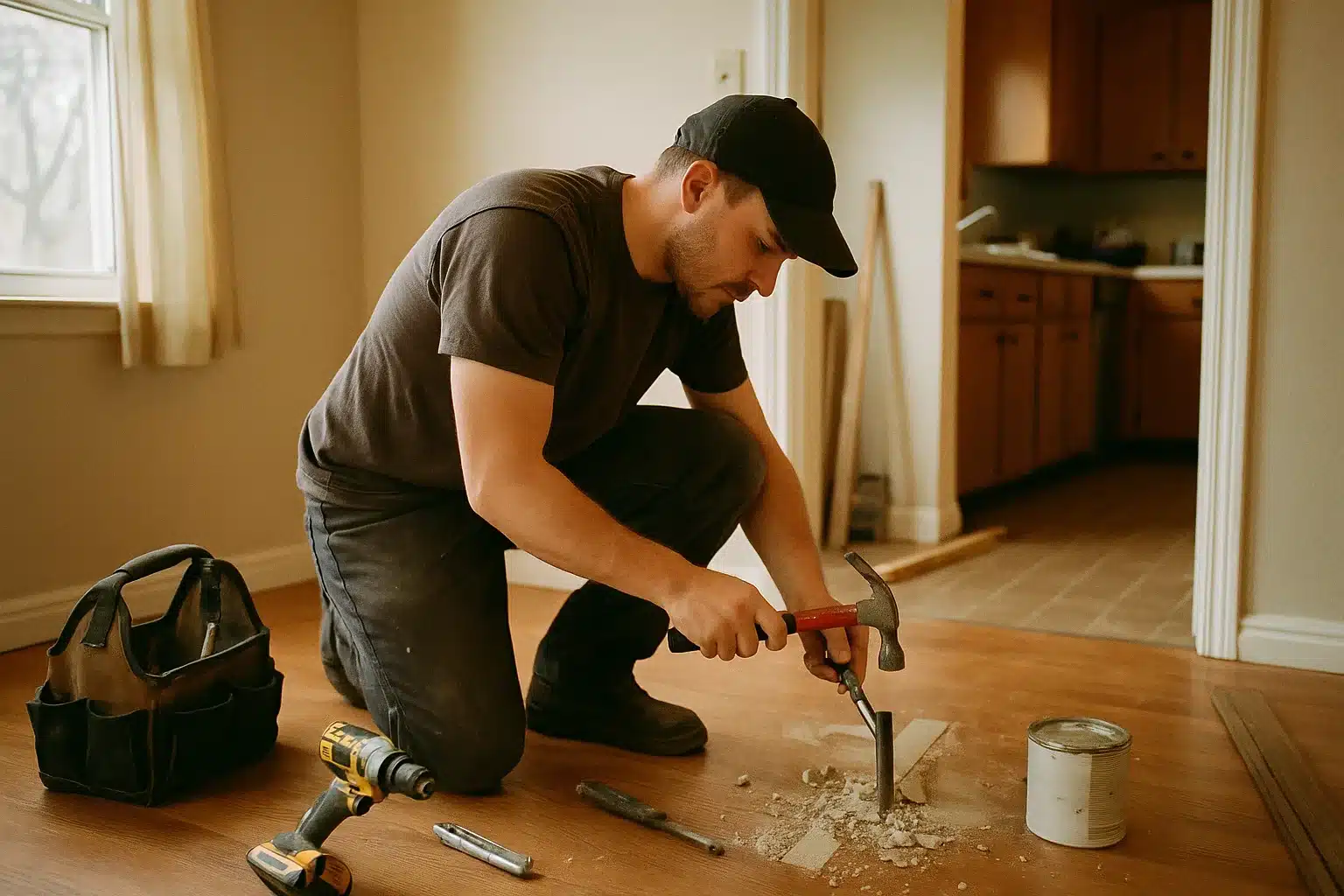
Maintenance represents one of the largest ongoing expenses for rental property owners. A general rule suggests budgeting one to three percent of the property’s value annually for maintenance and repairs. For a $600,000 rental property, this means setting aside $6,000 to $18,000 per year.
Regular maintenance includes gutter cleaning, exterior painting every five to seven years, carpet replacement, appliance repairs, and heating system servicing. Properties built before 2000 often require more frequent repairs as building materials and fixtures reach the end of their useful life.
Emergency repairs can devastate cash flow without proper planning. A burst hot water cylinder might cost $2,500 to replace, while roof repairs can easily exceed $5,000. Smart investors maintain a dedicated maintenance fund with at least three months’ rental income to handle unexpected expenses without dipping into personal savings.
Professional property management typically costs between 7.5 and 12 percent of gross rental income, plus GST. For a property earning $500 weekly rent, this amounts to $1,950 to $3,120 annually. Management fees cover tenant screening, rent collection, routine inspections, and coordinating maintenance work.
Self-managing properties saves money but requires significant time investment and knowledge of tenancy laws. Many investors underestimate the complexity of tenant management, particularly when dealing with problem tenants or tribunal proceedings.
Additional professional services include annual accounting fees ranging from $800 to $2,500 for investment property tax returns, depending on complexity. Legal fees for tenancy disputes or contract reviews can add several thousand dollars to annual costs.
Landlord insurance costs significantly more than standard home insurance, typically ranging from $1,200 to $3,000 annually depending on property value and coverage levels. This specialised insurance covers rental-specific risks including malicious damage by tenants, loss of rental income, and liability claims.
Many policies include excess levels of $500 to $1,000 per claim, meaning minor damage claims come entirely from the owner’s pocket. Some insurers offer rent protection covering up to 26 weeks of lost income when properties become unrentable due to damage or tenant default.
Rising insurance premiums have become a particular concern following recent natural disasters. Some Auckland and Wellington properties have seen insurance costs double over three years, significantly impacting investment returns.
Rental properties must meet increasingly strict healthy homes standards, requiring specific insulation, heating, ventilation, and moisture control measures. Bringing older properties up to standard can cost $3,000 to $15,000 depending on required upgrades.
Smoke alarm compliance requires hardwired photoelectric alarms in all bedrooms and hallways, costing $200 to $500 per property to install correctly. Properties built before 1950 often need additional electrical work to support modern safety requirements.
Regular building warrant of fitness inspections apply to properties with certain features like lifts or complex fire systems. These annual inspections typically cost $300 to $800 but ensure properties remain legally compliant.
Recent tax changes have significantly impacted rental property profitability. Interest deductibility rules mean mortgage interest on most residential rental properties is no longer fully tax-deductible, substantially increasing effective tax burdens for leveraged investors.
Brightline test rules mean profits from properties sold within 10 years are generally taxable as income, not capital gains. This affects investment strategies and requires careful record-keeping of all property-related expenses and improvements.
However, many expenses remain fully deductible including rates, insurance, maintenance, management fees, and depreciation on chattels like appliances and furniture. Proper record-keeping becomes crucial for maximising legitimate deductions and minimising tax obligations.

Vacancy periods between tenants can severely impact cash flow, particularly in slower rental markets. Even efficient property management typically requires one to three weeks between tenants for cleaning, minor repairs, and securing new occupants.
Market conditions significantly influence vacancy rates. Popular areas near employment centres might experience minimal vacancy periods, while properties in declining areas could sit empty for months. Economic downturns can dramatically increase vacancy rates across entire regions.
Problematic tenants can create extended vacancy periods following eviction processes. Tribunal proceedings for serious breaches can take months to resolve, during which rental income ceases while mortgage payments continue. Some investors purchase rent protection insurance to mitigate these risks.
Council rates continue regardless of occupancy status and typically increase above inflation annually. Properties in Auckland’s central areas can face rates exceeding $5,000 per year, while smaller provincial properties might pay $1,500 to $3,000 annually.
Utility connections and supply charges apply even when properties sit vacant. Basic electricity, gas, and water connections can cost $100 to $200 monthly even without usage. Internet connections for tenant convenience add another $80 to $120 monthly in many areas.
Some investors include utilities in rental agreements to attract tenants, but this transfers consumption risk to the owner. Responsible tenants might keep costs reasonable, while others could generate substantial unexpected bills through excessive usage.
Successful rental properties require periodic capital improvements to maintain competitive rent levels and attract quality tenants. Kitchen and bathroom renovations every 10 to 15 years help preserve property values and rental income potential.
Minor improvements like fresh paint, new carpets, or updated fixtures typically cost $5,000 to $15,000 but can significantly improve tenant retention and rental rates. Major renovations including kitchen replacements or bathroom remodels might require $20,000 to $50,000 investments.
Energy efficiency improvements become increasingly important as tenants prioritise lower utility costs. Heat pump installations, improved insulation, or double-glazed windows require substantial upfront investment but often justify higher rental rates and improved tenant satisfaction.
Successful rental property investment requires realistic budgeting for all ongoing costs, not just mortgage payments and rates. Smart investors factor in maintenance, management, insurance, vacancy periods, and regulatory compliance when evaluating potential returns. While property investment can build long-term wealth, understanding the true cost structure helps avoid unpleasant financial surprises and ensures sustainable investment strategies that weather market fluctuations and unexpected expenses.
This article is proudly brought to you by the New Zealand Knowledge Collective. We bring together expert insights and practical wisdom for informed living in today’s world. Through our network of Kiwi specialists and evidence-based resources, we’re dedicated to enhancing your knowledge journey across Aotearoa and beyond. Explore our latest posts and stay informed with the best in Books, Travel, Online Education, Personal Finance & Investment, Technology, and Home & Interior Design!
Owen says:
Yeah nah, the depreciation clawback is a killer and most people getting into rentals don’t see it coming because their accountant’s just chasing the immediate tax win without running the full numbers on exit.
Harpreet K. says:
The depreciation clawback is the real trap here. You claim it every year because it reduces your taxable income, then when you sell the property the IRD wants it all back plus interest. Most people don’t factor that into their numbers upfront because accountants focus on the immediate tax benefit, not the bill that lands five or ten years later. Worth working backwards from a potential sale price before you start claiming anything.
Jake M. says:
Learned this the hard way with a bach down south. Claimed depreciation for five years, felt like I was ahead. Then the sale came through and the clawback hit different. Nearly thirty grand I wasn’t expecting to hand back to the IRD. Should’ve done the sums properly before I started claiming anything. That’s the bit nobody talks about until it’s too late.
ben_data says:
The depreciation clawback is the one most people sleep on. I’ve got a property in Auckland where the depreciation deductions looked tidy on paper, but the IRD clawback when I eventually sell will wipe out roughly 40% of what I thought I’d keep from those tax benefits. Run the actual numbers on what you’ll owe back before you claim anything.
beccataylor says:
Maintenance reserves are where most investors get caught out, and the depreciation changes coming down the line will sting even harder than people think right now. You’ve got this if you actually budget for it upfront instead of hoping it doesn’t happen.
Sandra Nguyen says:
The article correctly identifies mortgage payments as just one component of the equation, though most investors still underestimate maintenance reserves and the true tax position once depreciation schedules change.