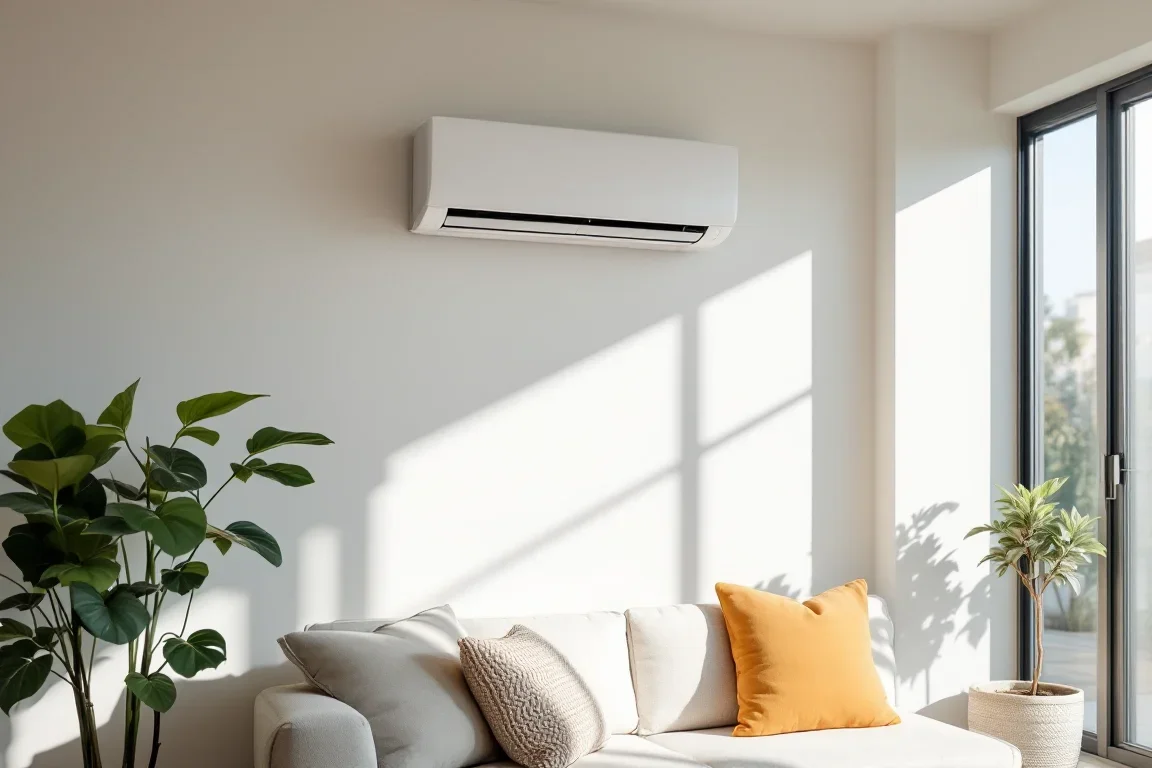
Few home improvements deliver the same daily comfort as a well chosen heat pump. In a country where the temperature can swing from a frosty Central Otago morning to a humid Auckland afternoon within the same week, having a reliable heating and cooling system is less of a luxury and more of a practical necessity. Many older New Zealand homes were built without insulation or central heating, which makes a modern heat pump one of the most effective upgrades you can make.
Walk through any suburb and you will notice them mounted on exterior walls, quietly humming away. They have become as familiar as a letterbox. But not all units suit all homes, and a poor choice can leave you shivering in winter, sweltering in summer, and facing power bills that climb faster than you expect.
Getting the decision right means understanding your home, your climate, and what the unit actually needs to do. It also helps to know where you can turn for trusted guidance before you buy.
The first mistake most people make is choosing a heat pump based on price alone. A cheaper unit that is undersized for your living space will run constantly trying to reach the temperature you have set, which wears out the compressor and drives up your electricity bill. An oversized unit cycles on and off too often, which creates uneven temperatures and unnecessary strain.
Capacity is measured in kilowatts, and a reputable installer will calculate the right size based on the volume of the room, the level of insulation, the amount of glazing, and how much sun the space receives. A north facing lounge in Nelson with double glazing needs far less heating power than a shaded south facing bedroom in Dunedin with single panes.
Climate matters too. In colder regions such as Canterbury and the high country, you will want a model designed to perform efficiently when outdoor temperatures drop below freezing. Many standard units lose efficiency in the cold, while inverter models with a wide operating range keep working effectively. If you live in a humid coastal area, look for a unit with good dehumidifying performance, which helps keep mould at bay during the wetter months.
Where the indoor and outdoor units are placed has a big effect on performance. The indoor unit should be positioned high on a wall where air can circulate freely around the room. Placing it behind a sofa, curtain, or bookshelf blocks airflow and wastes energy. The outdoor unit needs clear space to expel air and should not be boxed in or placed where it will collect leaves and debris.
Efficiency ratings are worth understanding before you commit. The Zoned Energy Rating Label, which appears on most units sold here, gives you a star rating for heating and cooling across different climate zones. Choosing a higher star rating usually costs more upfront but pays you back through lower running costs over the life of the unit. If you are keen to understand how energy efficiency is assessed officially, the Energy Efficiency and Conservation Authority publishes useful information for homeowners.
Regular maintenance keeps your heat pump running efficiently. Cleaning the filters every few weeks during heavy use, and booking a professional service once a year, protects the unit and maintains air quality. A neglected heat pump can spread dust and allergens through your home, which is the opposite of what you want.
Noise is another factor worth considering, particularly if the outdoor unit sits near a bedroom window or a neighbour’s fence. Modern inverter models run much more quietly than older fixed speed units, and some come with a night mode that reduces fan speed and noise levels.
Heat pump technology has advanced considerably in recent years. Many current models connect to your home Wi Fi network, letting you adjust settings from your phone while you are still at work. Some learn your schedule over time, warming the lounge before you arrive home and easing off when you are out. These features are genuinely useful and can trim your power use without any effort.
Others include built in air purification, which is helpful for households dealing with allergies or pets. Wi Fi control and timers are particularly handy for holiday homes or rental properties where you want to manage the temperature remotely.
When weighing up the cost, think beyond the purchase price. A heat pump installed correctly today should serve your home for a decade or more. Choosing a well regarded brand with strong local service support means parts and repairs are easier to arrange. Always use a qualified installer, as poor workmanship is the most common reason heat pumps underperform.
It also pays to check whether your unit qualifies for any current energy efficiency support. Energy efficient appliances often attract rebates when replacing old wood burners or electric heaters.

A single large heat pump in an open plan living area can often handle the bulk of a home’s heating needs. But in larger homes with separate wings or multiple storeys, one unit rarely does the job well. A multi head system, where one outdoor unit powers several indoor units in different rooms, is a popular solution for Kiwi families. It lets you heat only the rooms you are using, which keeps running costs down.
Bedrooms are a common sticking point. Many people assume a heat pump is wasted there because they only need warmth at night, but modern units run very quietly on low settings and use far less power than a portable electric heater left running for hours. If someone in your home suffers from asthma or hay fever, a heat pump with a good filtration system can improve the air they breathe while they sleep.
For homes without wall space, ceiling cassette units are worth a look. They distribute air in several directions and sit flush with the ceiling, which suits modern open plan designs. Ducted systems take this further by hiding the entire unit in the roof space and delivering air through discreet vents. These cost more to install but offer the most even temperatures and the cleanest look, especially in new builds or major renovations where the ceiling is already being opened up.
Whatever style you choose, think about how your household actually lives. A family that gathers in the kitchen and lounge every evening will benefit from focused heating there. A retired couple who potter between rooms may prefer a multi head setup for flexibility.
A heat pump is one of the few home upgrades that improves comfort, health, and energy efficiency all at once, which is why it remains such a popular choice for New Zealand households. Take the time to size it properly, install it well, and maintain it regularly, and it will reward you with years of dependable warmth and cool relief. Before you sign anything, get at least two quotes, ask plenty of questions, and make sure the installer explains exactly why they recommend a particular model for your home.
This article is proudly brought to you by the New Zealand Knowledge Collective. We bring together expert insights and practical wisdom for informed living in today’s world. Through our network of Kiwi specialists and evidence-based resources, we’re dedicated to enhancing your knowledge journey across Aotearoa and beyond. Explore our latest posts and stay informed with the best in Books, Travel, Online Education, Personal Finance & Investment, Technology, and Home & Interior Design!