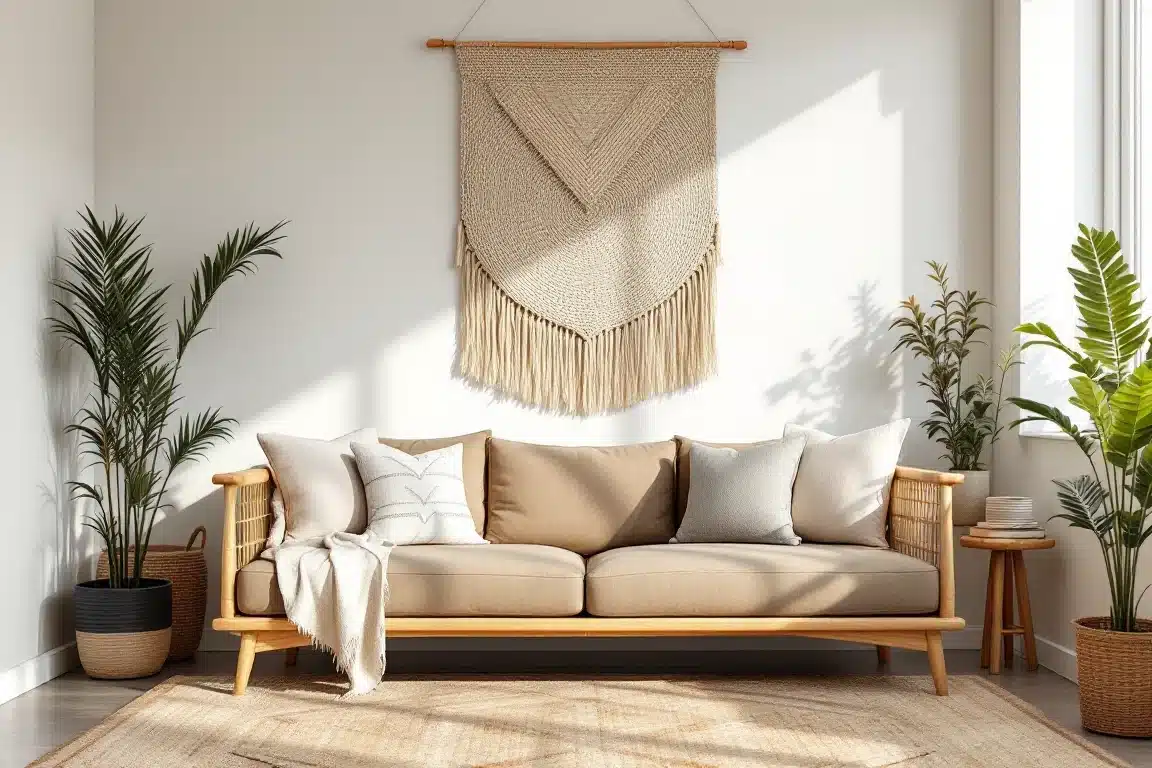
A growing number of New Zealand homeowners are looking beyond standard decorating styles to create interiors that feel deeply connected to this place. There is a quiet but steady shift towards interiors that honour the stories, materials, and values of Aotearoa’s first people. Thoughtfully weaving Māori design principles into a home is not about ticking a cultural box or assembling a few token pieces. It is a richer, more personal approach: one that invites warmth, meaning, and a genuine sense of belonging into the rooms we live in every day.
At its heart, Māori design is inseparable from concepts of whakapapa (connection and lineage), manaakitanga (hospitality and care), and kaitiakitanga (guardianship of the natural world). When these ideas shape interior choices, the result is a home that does more than look good. It supports the wellbeing of everyone who enters, strengthens our bond to the land, and quietly tells stories that matter. It is also a natural fit with New Zealand’s broader appetite for considered, uncluttered spaces and a strong indoor-outdoor connection. The key is to approach the process with respect, curiosity, and a willingness to learn, rather than simply to decorate.
Before choosing colours or pieces, it helps to understand the thinking that underpins traditional Māori spatial design. The wharenui (meeting house) is often the model: every element from the carved pou to the woven tukutuku panels holds meaning and a direct link to ancestry, the environment, and community. The space is designed to welcome, to tell the history of its people, and to wrap occupants in a mantle of care. Translating that to a family home does not mean replicating a marae, but it can mean adopting similar priorities: honouring those who live there, respecting natural materials, and encouraging gathering and conversation.
Practically, this might show up as a deliberate decision to arrange seating so it faces inward, supporting kōrero and connection rather than defaulting to a television. It might influence the choice of a generous dining table placed at the heart of an open-plan area, recognising that shared meals are central to manaakitanga. Even the flow of movement through the home can be shaped by the Māori concept of the poutama, the stepped pattern symbolising progression and learning, which encourages a journey through spaces that unfold gradually rather than all at once. These ideas quietly shift a floor plan from a purely functional layout into something with real emotional depth.
The materials you bring into a home carry energy and history. Māori tradition values resources harvested sustainably from the whenua, such as timber, stone, harakeke (New Zealand flax), and pounamu. In a modern interior, that translates to an emphasis on solid native or sustainably sourced timbers rather than composites, and a preference for finishes that age gracefully. A tōtara or mataī benchtop, for example, introduces a tactile connection to the forest that laminate cannot replicate. Stone used for a hearth or a bathroom basin anchors a room with a sense of permanence and place.
Textiles offer another powerful way to bring this principle inside. Woven harakeke wall hangings or cushions made from natural fibres add texture and a direct link to a living craft tradition. Māori weaving is not simply decorative; each pattern, whether it’s the niho taniwha or the pātiki, carries its own whakapapa and meaning. When you choose a piece made by a skilled kairaranga (weaver), you bring an object of cultural significance into daily life. Earthy, subdued colours drawn from the natural landscape — clay, charcoal, deep green, and the soft browns of river stones — work beautifully with timber and stone to create a serene, grounded palette that feels unmistakably of New Zealand.
Māori visual art, whether carved, painted, or woven, occupies a distinctly different place in the home than generic wall art. It is rarely passive. A carved tekoteko figure or a kōwhaiwhai painted pattern tells a narrative of genealogy, courage, or the natural world. Placing such a piece in an entryway can set a tone of welcome and protection. A large-scale tukutuku-inspired panel in a living area becomes a daily reminder of patience, craft, and the interwoven nature of community.
Choosing the right artwork requires care. Seek out original works or limited-edition prints directly from Māori artists or reputable galleries that uphold cultural integrity. Many taonga (treasures) are protected, and certain designs carry restrictions on where and how they can be displayed. If you are new to this, spend time at public collections to develop your eye. The taonga Māori collections at Te Papa offer an excellent starting point for understanding the depth and variety of the art form. When you hang a piece that resonates with you personally, it becomes far more than a focal point; it becomes a daily conversation with culture.
You do not need a complete renovation to bring these principles into a home. Small, deliberate choices accumulate into a strong sense of place. Start by examining the flow and gathering spots in your house. Could a corner of the living room become a more welcoming place for guests, with seating arranged so no one has their back to the door? Clearing clutter is another affordable step that aligns with the Māori appreciation for negative space, where emptiness allows a single meaningful object to speak more clearly. A clean, simple kitchen bench with a single hand-carved wooden bowl can feel far more intentional than a surface crowded with appliances.
Lighting also plays a quiet but important role. Harsh, uniform overhead lighting flattens atmosphere; a mix of soft, warm sources at different heights echoes the way light filters through bush or across a beach at dusk. Consider pendant lights woven from natural fibres or a simple timber lamp base that echoes the grain of surrounding joinery. Even the decision to use a natural wool carpet in a deep earthy tone rather than a synthetic grey can subtly shift the sensory experience of a room. These are not grand gestures, but together they build a home that feels collected, calm, and deeply rooted.

Biophilic design has become a global trend, but for Māori culture, the connection between indoor and outdoor space has always been fundamental. The whare is surrounded by a marae ātea, an open courtyard that functions as an extension of the living and ceremonial space. In a suburban home, that connection might translate to wide sliding doors that open a dining area onto a sheltered deck, or a kitchen window that frames a view of a kōwhai or pōhutukawa tree. It is about creating sightlines that remind you of the land, the weather, and the shifting light, rather than sealing the interior off from the world outside.
Native planting around the home deepens this relationship. Choosing harakeke, tarata, or kawakawa near windows and outdoor living areas brings birdsong and scent into everyday experience, grounding the home in its immediate ecology. Inside, a single sculptural branch placed in a heavy ceramic vessel can serve as a visual link to the outdoors even on a wet winter day. The goal is to make the boundary between inside and outside feel porous and alive, so the home breathes with the rhythms of its surroundings.
Perhaps the most important design principle is whanaungatanga — relationship. A genuinely meaningful interior emerges from relationships with the artists, weavers, carvers, and builders who create the pieces you live with. Take time to learn the story behind an artwork rather than simply purchasing it for its colour or shape. If you are commissioning a piece of furniture or a door panel, talk with the maker about the timber’s origin and the design’s cultural references. Many Māori carvers and designers will welcome a respectful conversation about how their work can sit appropriately in a private home.
Equally, acknowledge that no single article can capture the breadth and depth of mātauranga Māori (Māori knowledge). Your home’s evolution might span years, with each room slowly gathering objects, colours, and textures that reflect a growing understanding. Libraries, museum publications, and courses offered through local polytechnics or marae can all support this ongoing education. When approached with humility and genuine curiosity, incorporating Māori design principles becomes a rewarding, lifelong process rather than a one-off renovation project.
A home shaped by these ideas does not announce itself loudly. It reveals itself slowly, through the grain of a timber table, the weave of a flax panel, the warmth of a gathering space arranged for kōrero. For Kiwi homeowners looking beyond the next trend, weaving Māori design principles into daily surroundings is an invitation to live with more meaning, connection, and respect for the place we call home. The result is an interior that feels uniquely ours — and quietly, powerfully, beautiful.
This article is proudly brought to you by the New Zealand Knowledge Collective. We bring together expert insights and practical wisdom for informed living in today’s world. Through our network of Kiwi specialists and evidence-based resources, we’re dedicated to enhancing your knowledge journey across Aotearoa and beyond. Explore our latest posts and stay informed with the best in Books, Travel, Online Education, Personal Finance & Investment, Technology, and Home & Interior Design!
Kevin says:
The way this ties into local materials is what grabs us. We redid our living room last winter with some harakeke pieces and the whole feel of the space changed. It’s got that grounding sense now, like the house finally belongs to the land it sits on. Sweet as to see this getting more attention.