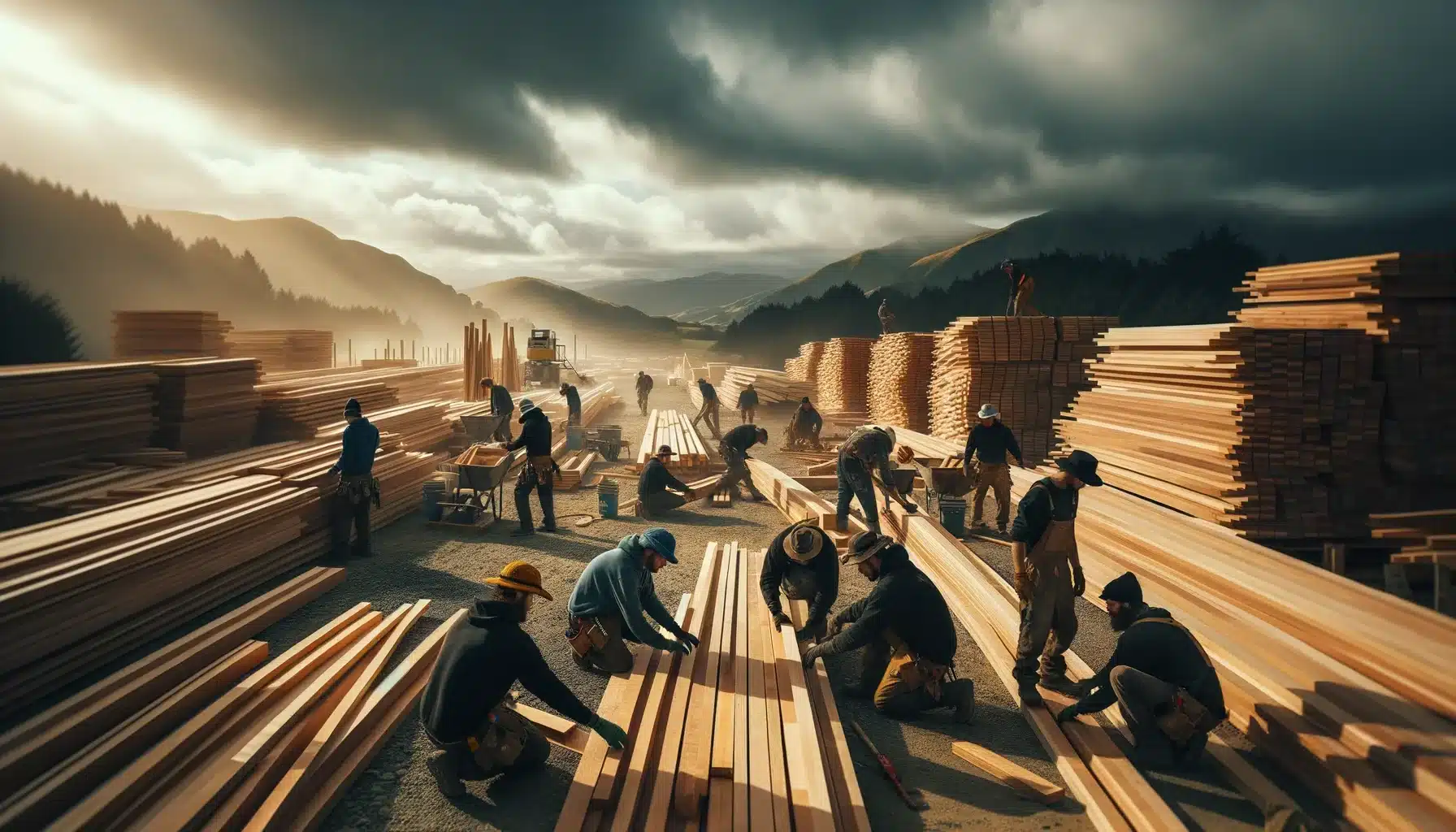
Building a new home in New Zealand presents an opportunity to make environmentally conscious choices that benefit both your family and the planet. Sustainable materials offer excellent performance while reducing environmental impact, often providing long-term cost savings and healthier living environments. From locally sourced timber to innovative recycled products, the options for eco-friendly building materials have expanded dramatically in recent years.
The construction industry accounts for a significant portion of global carbon emissions, making material choices crucial for reducing your home’s environmental footprint. Sustainable building materials typically require less energy to produce, generate fewer emissions during manufacturing, and often provide superior durability and performance compared to conventional alternatives.
New Zealand’s unique climate conditions, from coastal salt spray to seismic activity, demand materials that perform well under local conditions. Fortunately, many sustainable options excel in these challenging environments while supporting local economies and reducing transportation emissions.
New Zealand’s forests provide some of the world’s finest sustainable timber options for home construction. Radiata pine, grown in managed plantations throughout the country, offers excellent structural properties while maintaining rapid regeneration cycles. This fast-growing species reaches harvest maturity in 25-30 years, making it a highly renewable resource for framing, flooring, and exterior applications.
Native timber species like totara, kauri, and rimu, while restricted due to conservation concerns, can sometimes be sourced from certified sustainable forests or reclaimed from demolition projects. These premium timbers provide exceptional durability and unique character, particularly for feature walls, flooring, and architectural details.
Engineered timber products like cross-laminated timber (CLT) and laminated veneer lumber (LVL) maximise the use of plantation timber while providing superior structural performance. These products use smaller timber pieces bonded together, reducing waste and creating materials stronger than solid timber equivalents.
The growing market for recycled building materials offers both environmental benefits and cost savings for home builders. Reclaimed brick from demolished buildings provides character and thermal mass while diverting waste from landfills. These materials often feature superior craftsmanship and durability compared to modern alternatives, having already proven their longevity.
Recycled steel and aluminium products require significantly less energy to produce than virgin materials while maintaining identical performance characteristics. Steel framing systems using recycled content provide excellent earthquake resistance, crucial for New Zealand construction standards.
Reclaimed timber from demolished buildings, old bridges, or industrial structures can provide stunning feature elements for contemporary homes. These materials often showcase unique grain patterns and weathering that cannot be replicated in new timber, creating distinctive architectural elements while reducing demand for fresh logging.
Effective insulation remains crucial for New Zealand homes, where temperature variations and humidity levels demand superior thermal performance. Sheep’s wool insulation, produced from local farming waste, provides excellent thermal and acoustic properties while being completely renewable and biodegradable.
This natural material naturally regulates humidity, absorbing moisture when humidity levels rise and releasing it when conditions become drier. Sheep’s wool insulation also resists fire naturally and doesn’t require chemical treatments that might affect indoor air quality.
Other natural insulation options include cellulose made from recycled paper products, hemp fibre insulation, and even innovative products made from recycled denim. These materials often outperform traditional fibreglass insulation while avoiding the health concerns associated with synthetic alternatives.
Flooring choices significantly impact both environmental sustainability and indoor air quality. Bamboo flooring has gained popularity for its rapid growth rate and durability, though transportation emissions from overseas sources should be considered against local alternatives.
Cork flooring, harvested from the bark of cork oak trees without harming the tree, provides natural antimicrobial properties and excellent insulation values. The material’s cellular structure creates a comfortable walking surface while providing sound dampening qualities ideal for multi-storey homes.
Locally produced timber flooring from certified sustainable forests offers the best combination of environmental responsibility and regional economic support. Species like macrocarpa and eucalyptus provide attractive, durable flooring options with minimal transportation requirements.
Polished concrete floors using local aggregates and low-emission sealers provide excellent thermal mass for passive solar heating while requiring minimal maintenance throughout their lifespan. These floors work particularly well with underfloor heating systems, maximising energy efficiency.

Roofing materials face New Zealand’s harsh weather conditions, from intense UV radiation to cyclonic winds and seismic movement. Metal roofing made from recycled steel or aluminium provides excellent durability while being fully recyclable at the end of its service life. These materials reflect heat effectively, reducing cooling costs during summer months.
Living roofs planted with native sedums or grasses provide excellent insulation while managing stormwater runoff and creating habitat for birds and insects. While requiring additional structural support, these systems can significantly reduce heating and cooling costs while adding unique aesthetic appeal.
For exterior walls, locally produced brick and concrete masonry units using recycled content provide excellent thermal mass and weather resistance. These materials perform exceptionally well in New Zealand’s climate while supporting local manufacturing industries.
Natural stone cladding from local quarries eliminates transportation emissions while providing distinctive regional character. Materials like schist from Central Otago or volcanic stone from the North Island create strong connections between homes and their natural surroundings.
Interior finishes significantly affect indoor air quality and long-term health outcomes for occupants. Low-VOC paints and stains reduce harmful emissions while providing excellent coverage and durability. Many manufacturers now offer zero-VOC options that perform identically to conventional products.
Natural plasters made from clay, lime, or gypsum provide excellent breathability and humidity regulation while creating distinctive textures and appearances. These materials can be tinted with natural pigments to create custom colours without synthetic additives.
The Building Code emphasises the importance of healthy indoor environments, making material choices crucial for compliance and occupant wellbeing. Sustainable materials typically contribute to healthier indoor air quality through reduced off-gassing and improved moisture management.
Natural stone tiles from local sources provide durable, low-maintenance surfaces for kitchens and bathrooms while eliminating concerns about synthetic material emissions. These materials improve with age and can be refinished multiple times throughout their service life.
While sustainable materials sometimes carry higher upfront costs, their superior durability and performance often provide better long-term value. Materials like metal roofing, natural stone, and quality timber can last decades longer than conventional alternatives, reducing replacement costs and maintenance requirements.
Energy-efficient materials contribute to reduced heating and cooling costs throughout the home’s lifespan. Superior insulation, thermal mass materials, and efficient windows can significantly reduce monthly utility bills, offsetting higher initial investments through operational savings.
Government incentives and certification programmes sometimes provide financial benefits for sustainable building choices. Green building certifications can also increase property values and appeal to environmentally conscious buyers when selling.
Choosing sustainable materials for your New Zealand home build creates lasting benefits for both your family and the environment. These materials provide superior performance, healthier living environments, and often better long-term value while supporting local industries and reducing environmental impact. With careful planning and informed choices, building sustainably becomes an investment in both your home’s future and New Zealand’s environmental heritage.
This article is proudly brought to you by the New Zealand Knowledge Collective. We bring together expert insights and practical wisdom for informed living in today’s world. Through our network of Kiwi specialists and evidence-based resources, we’re dedicated to enhancing your knowledge journey across Aotearoa and beyond. Explore our latest posts and stay informed with the best in Books, Travel, Online Education, Personal Finance & Investment, Technology, and Home & Interior Design!
Dave B. says:
The locally sourced timber angle is solid, but don’t sleep on the logistics. I’ve watched plenty of builds stall because people assume local timber is just sitting there ready to go. It’s not. You need to factor in seasoning time, availability windows, and whether your builder actually knows the suppliers. Pick your timber species early and lock it in, or you’ll be waiting around while costs creep up.