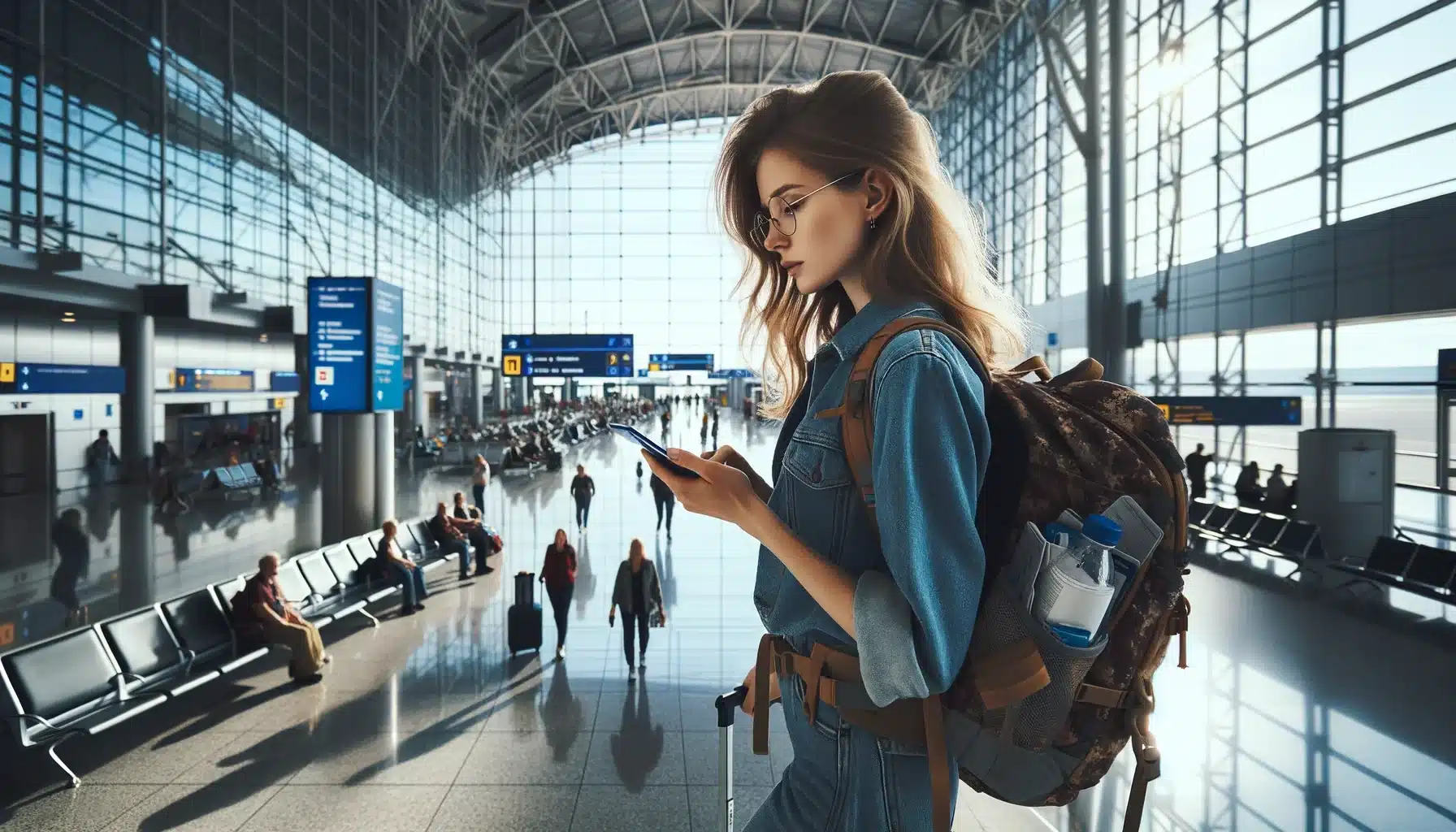
More Kiwi women are choosing to explore the world independently, with solo female travel reaching record levels in recent years. From backpacking through Southeast Asia to city breaks in Europe, New Zealand women are proving that travelling alone doesn’t mean travelling unsafe. However, solo female travel does require extra planning and awareness to ensure both safety and enjoyment.
The freedom of setting your own itinerary, meeting new people on your terms, and discovering destinations at your own pace makes solo travel incredibly rewarding. Yet many women hesitate to take that first solo trip due to safety concerns. With proper preparation and smart strategies, these concerns can be effectively managed while still maintaining the spontaneity that makes solo travel so appealing.
Thorough research forms the foundation of safe solo female travel. Start by choosing your destination carefully, considering factors like crime rates, cultural attitudes towards women, and the availability of tourist infrastructure. Some countries are notably more solo female-friendly than others, with strong safety records and well-established backpacker networks.
Register with the New Zealand Ministry of Foreign Affairs and Trade’s SafeTravel service before departure. This free service allows the government to contact you in emergencies and provides crucial support if situations deteriorate in your destination country. Research local customs, dress codes, and cultural norms to avoid inadvertently causing offence or drawing unwanted attention.
Book your first few nights’ accommodation in advance, particularly your arrival night. This eliminates the stress of finding somewhere safe to stay while jet-lagged and unfamiliar with your surroundings. Choose centrally located accommodation with good reviews from other solo female travellers.
Diversify your money sources by carrying multiple payment methods. Keep cash, cards, and important documents in separate locations on your person and in your luggage. Many experienced solo travellers recommend keeping an emergency stash of cash sewn into clothing or hidden in a separate bag compartment.
Make multiple copies of essential documents including your passport, travel insurance, visa, and emergency contact information. Store physical copies separately from originals and keep digital copies in cloud storage accessible from any internet connection. Email yourself copies as an additional backup.
Notify your bank of travel plans to prevent cards being blocked for suspicious activity. Research ATM availability and fees for your destination, as some remote areas may have limited banking facilities. Consider carrying a backup card from a different bank as additional security.
Choose accommodation wisely by prioritising safety over cost savings. Hostels with good security measures, 24-hour reception, and positive reviews from solo female guests often provide the best balance of safety and social opportunities. Private rooms in hostels can offer security benefits of shared accommodation while maintaining privacy.
Always inspect your room upon arrival. Check that windows and doors lock securely, and locate emergency exits. Trust your instincts – if something feels wrong about accommodation, don’t hesitate to find alternative arrangements even if it costs more.

Research safe transportation options before arrival in each destination. Many cities have women-only train carriages or recommended taxi companies with better safety records. Download official ride-sharing apps rather than accepting rides from unlicensed operators, and always verify the driver and vehicle details match the app information.
When using public transport, stay alert and avoid displaying expensive items or large amounts of cash. Sit near other passengers, particularly families or other women, rather than in isolated areas. Keep bags zipped and secured, and remain aware of common pickpocketing techniques in your destination.
For longer journeys, choose reputable bus or train companies with good safety records. Overnight buses can be economical but research passenger reviews carefully, as safety standards vary significantly between operators and routes.
Solo travel doesn’t mean being alone all the time. Join group activities, walking tours, or cooking classes to meet other travellers and locals in safe, structured environments. Many cities have meetup groups for expatriates or travellers that provide social opportunities with like-minded people.
Use common sense when making new connections. Meet new acquaintances in public places and trust your instincts about people’s intentions. Share your plans with someone you trust, whether that’s family back home or a fellow traveller you’ve gotten to know well.
Stay connected with home through regular check-ins with family or friends. Establish a communication schedule that works across time zones, and stick to it so people know when to be concerned if they don’t hear from you.
Your smartphone becomes a crucial safety tool when travelling solo. Download offline maps for your destinations so you can navigate without internet access. GPS tracking apps can help friends and family know your location, while translation apps can help overcome language barriers in emergency situations.
Portable phone chargers are essential for maintaining communication capabilities. Consider carrying a backup phone or portable wifi device for areas with poor network coverage. Research local SIM card options or international roaming charges to ensure you can make calls when needed.
Learn key phrases in the local language, particularly those related to safety and emergencies. Know how to ask for help, directions to the police station or hospital, and how to communicate that you don’t understand something.
Solo female travel from New Zealand continues to grow as more women discover the confidence and independence that comes from exploring the world on their own terms. With careful planning, smart safety strategies, and trust in your own instincts, solo travel can be both safe and transformative. The key lies in balancing caution with openness, ensuring you stay safe while still embracing the spontaneity and personal growth that make solo adventures so rewarding.
This article is proudly brought to you by the New Zealand Knowledge Collective. We bring together expert insights and practical wisdom for informed living in today’s world. Through our network of Kiwi specialists and evidence-based resources, we’re dedicated to enhancing your knowledge journey across Aotearoa and beyond. Explore our latest posts and stay informed with the best in Books, Travel, Online Education, Personal Finance & Investment, Technology, and Home & Interior Design!
DrRob says:
The gendered stuff is half the battle though. Most safety guides treat harassment like it’s some minor inconvenience rather than something that actually shapes where women can go and when. That’s doing readers a disservice. The post nails that part but then glosses over the practical side of it. Like, what do you actually do when someone won’t leave you alone at a hostel or
NatCoach says:
You’re dead right that a safety guide skipping the gendered reality of solo travel does readers a disservice, especially when it comes to navigating unwanted attention and harassment in certain regions.
Jake M. says:
Yeah, nah, the post skips over the fact that women travelling solo deal with stuff blokes just don’t have to think about, and that’s not being dramatic it’s just how it is in plenty of countries. Spent a season working in Southeast Asia and saw the difference firsthand, so better to go in eyes open about that extra layer rather than pretend common sense alone sorts
kevin_stocks says:
Yeah nah, the gender thing does make a difference though. I’ve watched mates get hassled in ways I genuinely don’t, and that’s just reality in heaps of places. Common sense helps everyone, but women solo travellers are managing an extra layer that the post kind of glosses over. Doesn’t mean don’t go, just means the planning isn’t overblown.
Mick says:
Reckon the “extra planning” bit is overblown – been backpacking solo through Asia for months now and honestly it’s no different to travelling with mates, just gotta use common sense like you would anywhere.