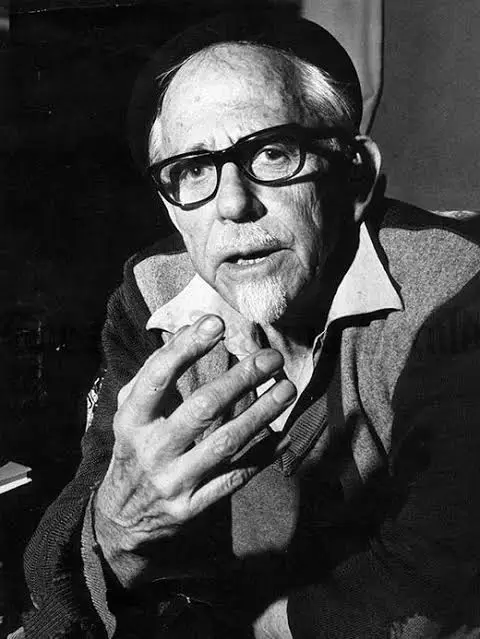
Frank Sargeson, born Norris Frank Davey on March 23, 1903, in Hamilton, New Zealand, is one of the most celebrated figures in New Zealand literature. Growing up in a middle-class Methodist family, Sargeson’s upbringing was marked by a strong moral code and a rigorous work ethic.
He initially pursued a career in law, studying at the University of Auckland, but his brief stint in the legal profession ended abruptly following a conviction for homosexual activities, which were illegal at the time.
This event significantly influenced his life and career, leading him to adopt the pseudonym Frank Sargeson and retreat to his parents’ bach (beach house) in Takapuna, where he dedicated himself to writing.
Frank Sargeson’s literary career is marked by several notable works, each reflecting his deep understanding of New Zealand society and his unique literary style.
Frank Sargeson’s writing style is distinctive for its simplicity, clarity, and use of everyday New Zealand English. He is known for his minimalist approach, stripping away unnecessary embellishments to focus on the core of his narratives.
Sargeson often employed vernacular speech, capturing the rhythms and idioms of ordinary New Zealanders. This approach not only made his stories accessible but also lent them an authenticity that resonated with readers.
The recurring themes in Sargeson’s work include the constricting effects of puritanical and materialistic societies, the search for freedom, and the complexities of human relationships. His stories often depict isolated and unhappy male characters, reflecting the social issues of his time.
Sargeson’s exploration of these themes has had a lasting impact on New Zealand literature, influencing subsequent generations of writers to incorporate authentic New Zealand voices and experiences into their work.
Frank Sargeson’s contributions to literature extend beyond his writing. He played a pivotal role in the development of New Zealand literature, mentoring and supporting young writers, including Janet Frame.
Sargeson’s insistence on using New Zealand idioms and focusing on local subjects helped establish a distinctive New Zealand literary voice. His work has been recognised with numerous accolades, including the New Zealand Literary Fund Award and the PEN Award for Services to Literature.
Frank Sargeson is a seminal figure in New Zealand literature, whose work continues to be celebrated for its authenticity, empathy, and profound insights into New Zealand society. His minimalist writing style, use of vernacular speech, and exploration of themes such as freedom and societal constraints have left an enduring mark on the literary world.
Through his mentoring and support of other writers, Sargeson has ensured that his influence extends well beyond his works, contributing significantly to the richness and diversity of New Zealand literature.
Please note: All book deliveries are processed through Amazon.com.au, and prices are listed in Australian dollars.

Vic Books is dedicated to updating you on the latest literary trends, exciting new releases, and must-read classics. We believe that staying informed about the ever-evolving world of books is essential for nurturing a love for reading and supporting our vibrant community of book lovers.
Do you have an article, book, or event to promote? We’d love to hear from you! Email us, and let’s collaborate to boost your literary presence.
rod.farmer says:
Yeah nah, there’s real craft behind those conversations. You can’t just scribble down how people talk and call it writing. Sargeson spent years getting the rhythm right, knowing when to drop words and when to add them back in. That’s the work that makes it look simple.
Luke M. says:
Reckon you’re giving technique short shrift there, mate. Sargeson’s dialogue works because he spent years honing it, not just because he lived rough.
Terry says:
You’re right about that, but I’d say the dialogue thing gets overplayed anyway. What actually matters is he lived rough enough to know what those characters needed to survive, and he cared enough to write it down proper. That kind of empathy doesn’t come from technique. It comes from having been there. His ear was sharp because his life had to be.
beccataylor says:
Nah, I get what you’re saying about the dialogue, but I reckon you’re underselling how much his actual life shaped the work. The stuff he lived through wasn’t just backdrop. It was the whole reason he could write those blokes so true. You can’t separate the writing from the man who had to survive on nothing and still cared enough to tell their stories. The magic isn’t just in the ear for dialogue
Hannah Wilson says:
I reckon the real magic is how he captures that raw, unfiltered way working blokes actually talked to each other, and we don’t need to trace it back to his childhood to understand why that mattered so much for New Zealand writing.
Peter Walsh says:
The bit about his Methodist upbringing shaping his moral code feels like it’s doing heavy lifting that his actual writing doesn’t need. His stories work because they nail the colloquial voice of ordinary blokes, not because he was raised strict.