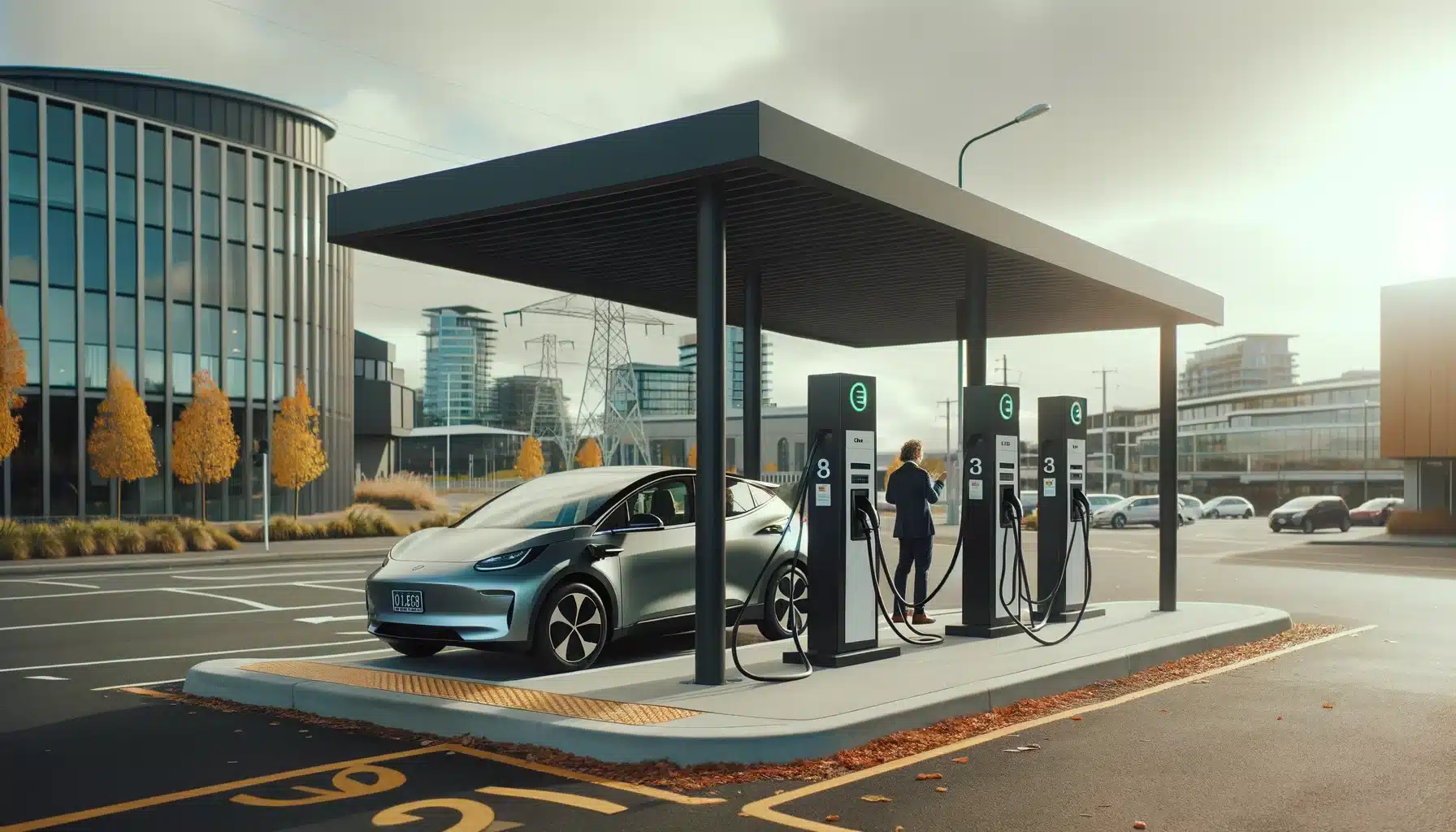
Electric vehicles are transforming how New Zealanders think about transportation, but the success of this transition depends heavily on having reliable charging infrastructure in place. As more Kiwis make the switch to electric cars, the demand for accessible, fast, and strategically located charging stations has never been higher. The rapid expansion of charging networks across the country reflects both government initiatives and private sector investment working together to support our clean energy goals.
The charging infrastructure landscape has evolved dramatically over the past five years. What began as a handful of charging points in major centres has grown into a comprehensive network spanning from Cape Reinga to Bluff. This growth isn’t just about quantity – it’s about creating a reliable system that gives drivers confidence to travel anywhere in New Zealand without range anxiety.
New Zealand now boasts over 1,500 public charging connectors across the country, with rapid DC fast chargers becoming increasingly common on main travel routes. The network includes everything from destination chargers at shopping centres and hotels to ultra-fast charging stations capable of adding hundreds of kilometres of range in just 30 minutes.
Major players like ChargeNet, BP Pulse, and Mercury Energy have established extensive networks, while newer entrants continue to expand coverage into previously underserved areas. Auckland and Wellington lead in charging density, but regional centres are catching up quickly. The South Island’s charging corridor along State Highway 1 now provides reliable fast charging from Picton to Invercargill, making long-distance electric travel entirely feasible.
Workplace charging has also gained momentum, with many employers installing charging stations as part of sustainability initiatives and employee benefits packages. This trend particularly benefits apartment dwellers who may not have access to home charging solutions.
Modern charging stations offer significantly improved user experiences compared to early installations. Contactless payment options, smartphone app integration, and real-time availability updates have made charging much more convenient. Many stations now accept standard credit cards, eliminating the need for multiple membership cards or apps.
Charging speeds have increased substantially, with some ultra-fast chargers delivering up to 350kW of power. While few current vehicles can accept this maximum rate, future electric vehicles will benefit from these future-ready installations. Even today’s vehicles can typically charge from 10% to 80% capacity in 20-40 minutes at fast charging stations.
Smart charging technology is becoming standard, allowing stations to balance power loads and integrate with the electricity grid more efficiently. Some installations can even provide grid services, helping to stabilise power supply during peak demand periods.
Successful charging networks require careful planning to meet diverse user needs. The NZTA has worked with industry stakeholders to identify optimal locations for charging infrastructure, particularly along key transport corridors. This strategic approach ensures that charging stations are placed where they’re most needed rather than simply where land is cheapest.
Highway charging typically focuses on locations 150-200 kilometres apart, matching the range capabilities of most electric vehicles while providing a safety buffer. Urban charging emphasises high-traffic areas like shopping centres, recreational facilities, and transport hubs where people naturally spend extended periods.
Rural and remote area coverage remains a priority, with targeted installations ensuring that smaller communities aren’t left behind in the electric transition. These installations often serve as crucial links in longer journey chains, making regional travel viable for electric vehicle owners.
The charging industry has experimented with various business models to find sustainable approaches. While early installations were often loss-leaders designed to stimulate electric vehicle adoption, the growing user base now supports more commercially viable operations.
Pricing models vary significantly, from per-minute charging to per-kWh rates, with some operators offering subscription services for frequent users. Premium pricing for ultra-fast charging reflects the higher infrastructure costs and convenience factor, while slower AC charging often remains competitively priced against petrol costs.
Many charging companies have formed partnerships with retailers, hospitality providers, and other businesses to create mutually beneficial arrangements. Charging stations can drive foot traffic to partner businesses while providing charging operators with attractive locations and sometimes reduced infrastructure costs.

New Zealand’s abundant renewable energy resources create unique opportunities for sustainable charging infrastructure. Solar-powered charging stations are becoming more common, particularly in sunny regions where panels can generate significant power during peak daylight hours.
Battery storage systems at charging sites help balance supply and demand while providing grid stability services. These installations can store renewable energy when generation is high and release it when needed for vehicle charging or grid support.
Some charging networks actively promote their use of renewable energy sources, appealing to environmentally conscious consumers who want to ensure their electric vehicle use truly reduces carbon emissions. This messaging resonates strongly with many New Zealand consumers who view electric vehicles as part of broader environmental commitments.
Despite rapid progress, challenges remain in building comprehensive charging infrastructure. Grid capacity constraints in some areas require expensive upgrades before high-power charging stations can be installed. Planning and consent processes can also slow deployment, particularly in sensitive locations.
Standardisation efforts continue across the industry, with moves toward more universal charging connectors and payment systems. The CCS2 connector has emerged as the dominant fast charging standard in New Zealand, but older CHAdeMO installations still serve some vehicle models.
Future developments will likely include wireless charging technology, automated charging systems, and better integration with smart grid technologies. Vehicle-to-grid capabilities may transform electric cars from energy consumers into mobile energy storage units that can support grid stability.
Improved charging infrastructure directly correlates with increased electric vehicle sales and consumer confidence. Range anxiety – the fear of running out of power during a journey – has decreased significantly as charging networks have expanded and become more reliable.
The presence of charging infrastructure also influences where people feel comfortable living while owning an electric vehicle. Areas with good charging coverage see higher electric vehicle adoption rates, creating positive feedback loops that justify further infrastructure investment.
Commercial fleet operators increasingly view comprehensive charging networks as essential for electric vehicle deployment. Logistics companies, delivery services, and other commercial users need reliable charging to maintain operational schedules.
The rapid development of electric vehicle charging infrastructure represents one of New Zealand’s most significant recent technology investments. As networks continue expanding and technology improves, charging will become even more convenient and accessible. This infrastructure foundation supports not just current electric vehicle owners but creates the confidence needed for mainstream adoption, positioning New Zealand as a leader in sustainable transport solutions.
This article is proudly brought to you by the New Zealand Knowledge Collective. We bring together expert insights and practical wisdom for informed living in today’s world. Through our network of Kiwi specialists and evidence-based resources, we’re dedicated to enhancing your knowledge journey across Aotearoa and beyond. Explore our latest posts and stay informed with the best in Books, Travel, Online Education, Personal Finance & Investment, Technology, and Home & Interior Design!