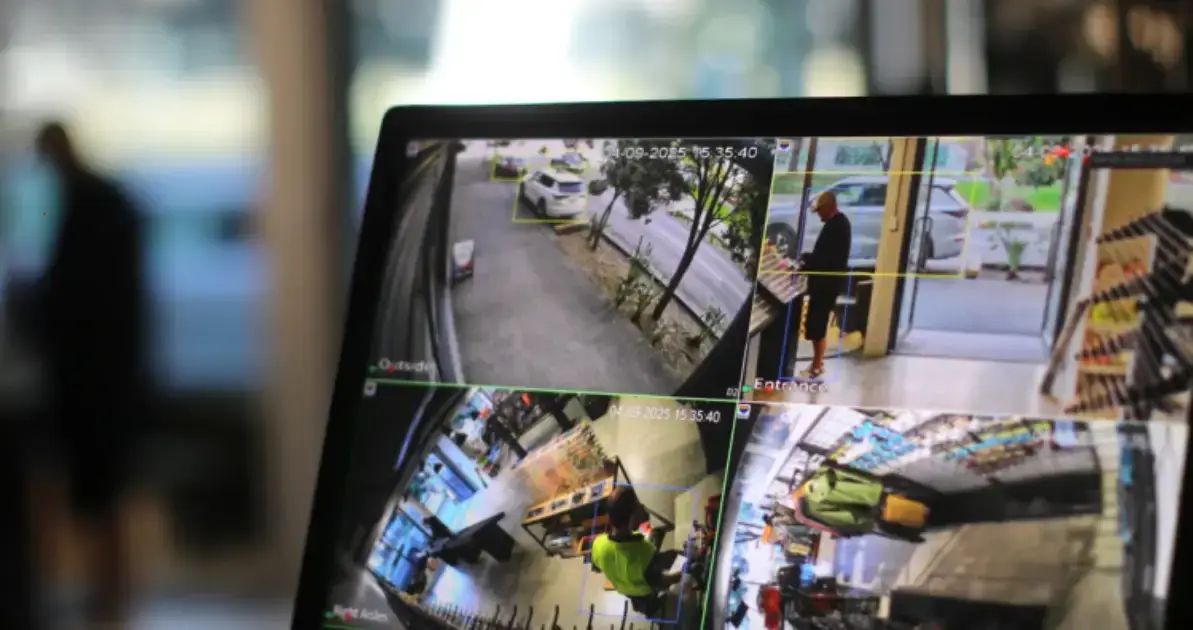
In Auckland’s growing commercial zones—from the industrial cores of Onehunga, Otahuhu, Wiri, Takanini, and East Tamaki, to retail precincts like Newmarket, CBD, New Lynn, and Rosedale—security has become more than just preventing break-ins. For modern business owners, it’s about using technology to stay ahead, reduce downtime, and protect both people and assets.
To understand how smart security systems are evolving, we got insights from Auckland CCTV, expert retail and industrial CCTV installers, who have been deploying AI-powered systems across some of the busiest commercial hubs in the country.
Standard motion detection systems often trigger alarms for moving shadows, cats, wind-blown rubbish or passing headlights. That leads to frustration and wasted time. AI changes this.
New camera systems, like Dahua’s WizSense, use human and vehicle detection to cut through the noise. Combined with Smart Motion Detection (SMD 4.0), cameras can now identify whether the movement is a person or just background activity. This drastically reduces false alarms and increases confidence in each alert.
In industrial zones like Wiri or Mangere, where heavy machinery and yard activity are constant, this feature helps avoid unnecessary callouts while still ensuring true threats are picked up fast.

Retail theft continues to cost New Zealand stores millions each year. But thanks to facial recognition, repeat offenders can be turned around at the door.
One Pak’nSave supermarket trialled this technology and reported a 70% drop in shoplifting. The system identifies known offenders upon entry and alerts staff, who can then issue trespass orders or involve the police before anything is stolen.
Dahua’s Face Recognition 2.0 technology can be integrated with tools like Auror, allowing real-time detection and action. This is already being tested in areas like Westfield Newmarket, with strong results.
Some of today’s cameras offer more than footage—they provide data. Heatmap analytics show where people are moving, loitering, or behaving suspiciously.
This has uses far beyond retail. In large commercial showrooms, storage yards, or public-facing service businesses, heatmaps can help identify:
Dahua offers People Counting and Heat Map functions in their analytics suite, helping property managers refine layouts, reduce risk, and improve flow.
One standout technology discussed with Auckland CCTV was a PTZ camera with 25x optical zoom installed at a large South Auckland tow yard.
The camera tracks movement automatically using data from nearby fixed cameras. If motion is detected, it instantly swings to zoom in—even from the opposite direction. It reads license plates at 115 metres, identifies faces in low light, and doesn’t miss a thing.
Instead of installing 17 more fixed cameras to cover the yard, this one device did the job for far less. It’s ideal for locations with wide, open layouts like:
The site manager reports saving both time and money, stating:
“I used to have to drive out every time something happened at night. Now I check my phone, zoom in, and deal with it from bed.”
Many Auckland businesses are now consolidating their systems. Instead of juggling separate software for alarms, cameras, and door access, brands like Dahua offer all-in-one platforms.
Using a single app, property managers can:
Tools like AcuPick 2.0 allow fast searching across all footage using facial recognition or license plate attributes. And all of it is accessible via mobile.
For businesses in East Tamaki, Otahuhu, Wairau, or Mt Roskill, where on-site security isn’t always available 24/7, remote control and real-time access are now essential.
CCTV isn’t just about stopping theft anymore. In many industrial properties, footage plays a key role in managing:
Whether it’s a workplace injury, equipment misuse, or unauthorised access, having high-resolution, AI-assisted footage can make the difference between assumption and evidence.
Smart security systems have shifted from luxury to necessity. In Auckland’s fast-paced commercial environment, AI-powered CCTV, facial recognition, and integrated access control offer better protection, faster responses, and clearer oversight.
And for those managing large, high-value sites in places like Rosebank, Takanini, Newmarket, or Rosedale, the cost-saving potential is real.
For more insights on how modern systems are transforming Auckland’s security landscape, talk to local experts like Auckland CCTV, who design systems tailored to the specific risks of retail and industrial properties.
This article is proudly brought to you by the New Zealand Knowledge Collective. We bring together expert insights and practical wisdom for informed living in today’s world. Through our network of Kiwi specialists and evidence-based resources, we’re dedicated to enhancing your knowledge journey across Aotearoa and beyond. Explore our latest posts and stay informed with the best in Books, Travel, Online Education, Personal Finance & Investment, Technology, and Home & Interior Design!
Nathan Cooper says:
Been looking at commercial properties around Auckland and this AI-CCTV angle is interesting, but how does the system actually handle false alarms when you’ve got high foot traffic areas like Queen Street? Seems like that’d be a major operational headache if it’s not filtering out legitimate movement properly.
Rachel Green says:
Security systems are only as good as the people monitoring them—same principle applies to fitness; you can have the best equipment but without consistency and awareness, you’re missing half the picture. The AI angle here makes sense for businesses that want real-time alerts instead of just reviewing footage after something’s gone wrong, which feels like the difference between preventative wellness and reactive treatment.
Dave Morrison says:
Yeah, the AI stuff is smart but honestly the biggest issue I see is people still not maintaining their systems properly – you can have the fanciest cameras in the world and if no one’s actually monitoring the footage or keeping the gear serviced, it’s just expensive window dressing. For most Auckland businesses, getting the basics right (proper placement, decent resolution, actual monitoring) probably matters more than chasing the latest tech.
HannahP says:
With a new house comes all the break-in vulnerabilities we never worried about in the apartment, so I’m genuinely curious—how much of this AI tech actually catches the smaller stuff like package theft or someone casing the property, or is it mainly set up for the serious incidents? We’re trying to figure out if we need the fancy systems or if solid basics plus good neighbours is enough.
Peter Walsh says:
Has anyone actually looked at whether the AI misidentification rates are higher in lower light conditions or with darker skin tones—because if we’re rolling this out across Auckland businesses without understanding those blind spots, we might just be automating bias into our security systems?
Bec F. says:
Been running rental properties for years and security’s become a legit cost-benefit conversation – the AI stuff cuts false alarms dramatically, which saves thousands in unnecessary callouts and tenant complaints. Only thing I’d question is whether the upfront investment makes sense for smaller operations; the ROI timeline matters more than how fancy the tech is.
Emma Clarke says:
The AI component makes sense for pattern recognition, but I reckon the real win here is how it frees up your team to actually respond to what matters rather than getting bogged down in false alarms. Systems are only useful if people trust them enough to act on them.
Amy Zhang says:
The AI predictive stuff sounds promising but I’m curious how it actually performs with Auckland’s specific crime patterns—are we talking about preventing break-ins in Ponsonby vs retail theft in the CBD, because those need totally different approaches. Also wondering if small businesses are actually equipped to action these alerts fast enough, or if it just becomes another notification they ignore.
Marcus Taylor says:
This is exactly the kind of infrastructure investment we’ve been evaluating for our larger sites – the ROI analysis on AI-driven CCTV is compelling when you factor in reduced on-site security staffing over a 3-5 year project lifecycle. The real question is implementation timeline and whether the integration with existing systems causes any downtime during installation, which always gets tricky on active commercial builds. Worth noting that budgeting for the backend software updates should be treated as an ongoing line item, not a one-off capital expense – that’s where most projects underestimate costs.